
Helambu trek | 8 days
- Discover Tibetan Buddhism in the small villages
- Explore the oldest Buddhist monastery in Cherugyang
- Meet the local Tamang, Sherpa and Hyolmo people
Helambu trek | 8 days
8 days from n.t.b p.p.
Request travel proposalHighlights
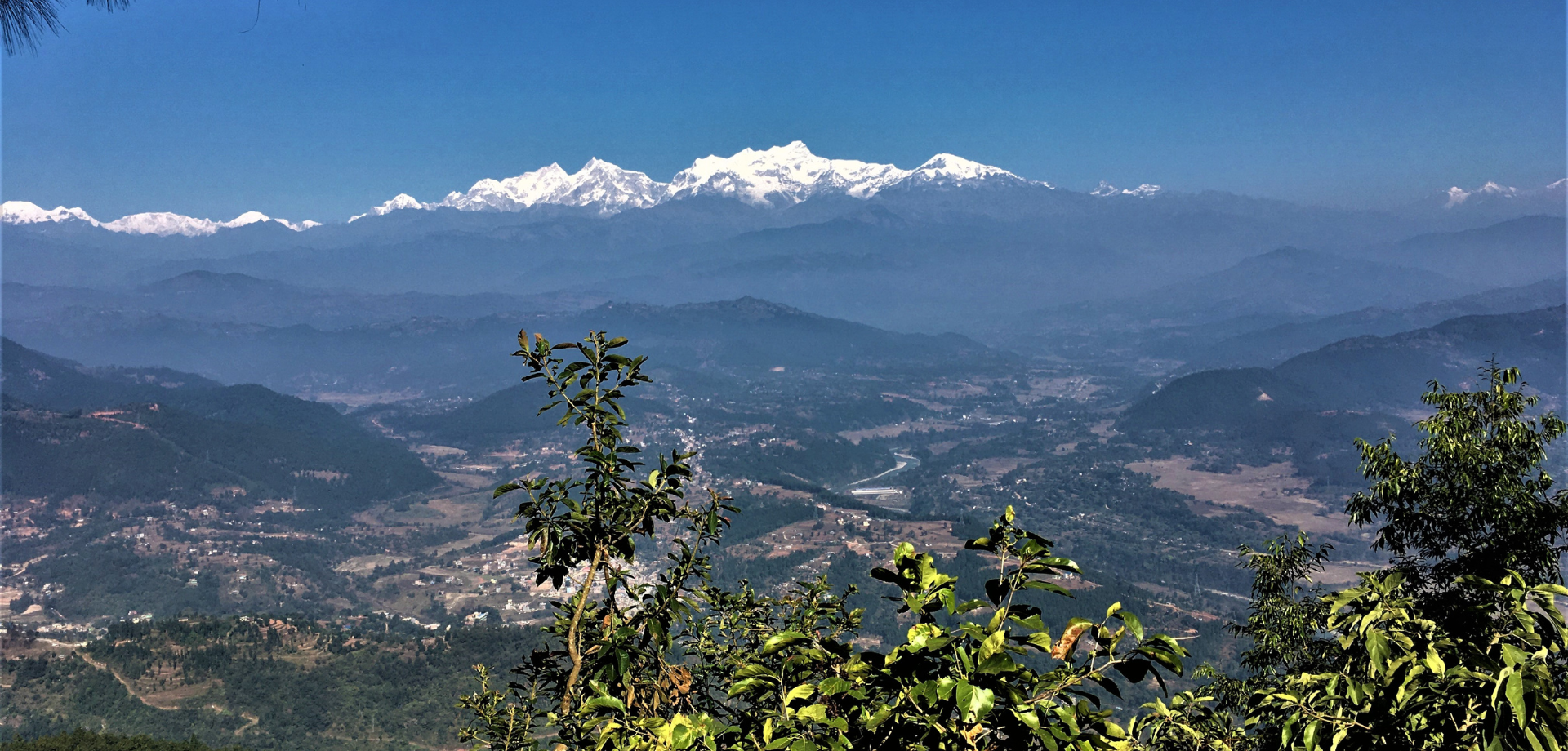
Experience the magic of the Helambu trek: a short, culturally rich trek close to Kathmandu. Discover Tibetan Buddhism in authentic villages, visit the ancient monastery of Cherugyang, explore meditation caves in Melamchi and meet the hospitable Tamang, Sherpa and Hyolmo communities along the way.
Day-to-day
The 8-day Helambu trek is ideal for those seeking a peaceful, authentic experience in the Himalayas. With no extreme altitudes, but brimming with nature, monasteries and local culture. You’ll walk through green valleys and Buddhist villages, and get to know the hospitable Tamang, Sherpa and Hyolmo people. A perfect trip for active families and travellers aged 55+ who love culture, nature and personal encounters.
-
Day 1: Adventurous drive from Kathmandu to Thangkure – Trek to Chipling (2,170 m) – approx. 2 to 3 hours
After spending the last few days acclimatising in Kathmandu, you will set off today, accompanied by your guide and porter, in a private jeep to the starting point of your trek in Thangkure.
From there, you will begin your Helambu trek in the fascinating Helambu region. Today you will walk along a well-maintained path, mostly uphill. Some sections are quite steep. After 2 to 3 hours’ walk, you’ll reach today’s destination: Chipling.Did you know that the Helambu trek is also known as the Helambu Climate Trek?
This unique nickname stems from the sustainable tourism project launched in the region to mitigate the impact of climate change. Local communities are actively involved in environmental protection, reforestation and climate-conscious initiatives. By choosing this route, you’re not only supporting local life, but also helping to preserve the Himalayas in a responsible way!
-
Day 2: Trek to Kutumsang (2,450 m) – approx. 5 to 6 hours
Today, on your Helambu trek, you’ll ascend and descend slowly along stone steps. You’ll first pass through the village of Ghul Bhanjang (2,180 m), where you can enjoy the stunning scenery and cultural sights.
You take it easy and, after a delicious lunch, continue climbing to around 2,600 metres. You’ll enjoy beautiful views of several peaks over 6,000 metres high. Afterwards, you’ll make a gentle descent to today’s destination, Kutumsang.
-
Day 3: Trek to Mangengoth (3,285 m) – approx. 3 to 4 hours
Today you’ll reach the entrance to Langtang National Park. The trail heads north up the Yurin Danda ridge, offering beautiful views of the mountain peaks and the surrounding landscape. The trail is a steep, eroded path, mostly through pine and rhododendron forests where there are no permanent settlements.
You’ll be doing quite a bit of climbing today, so take it easy.
After lunch, you’ll walk to a viewpoint offering views of the Jugal Himal range, with peaks over 6,000 metres high.
Your trek ends today in Mangengoth.

-
Day 4: Trek to Thare Pati (3,650 m) – approx. 3 hours
Today, the Helambu trek takes you along a path to the highest point of your trek, Thare Pati.
You’ll walk along a narrow path and cross a slope. The path climbs gradually through beautiful forests, with stunning rhododendrons, oaks and other trees.
In fine weather, you will be rewarded during today’s adventurous walk with a magnificent view of the northern Jugal Himal range.
From Thare Pati, you have a breathtaking view of the snow-capped mountains: Dorje Lakpa, Gaurishankar, Langshisa, Jugal, Numbur and many others.


-
Day 5: Trek to Melamchigaon (2,550 m) – approx. 3 hours
In the morning, you’ll get up early and climb to a viewpoint, where you can enjoy a breathtaking sunrise over the Himalayas. This walk takes about 2 hours.
After the morning walk, you’ll have breakfast at the lodge. Today’s walk is a steep descent: you’ll be descending more than 1,000 metres. You’ll walk through a fairytale forest with moss-covered trees and cross a suspension bridge to reach Melamchigaon.
Be sure to visit the Buddhist meditation cave, which offers a fascinating insight into the influence of Tibetan Buddhism in this region. You can also pay a visit to the school here.Sustainable travel tip:
Visits to the local school are possible, but we ask that you do so after school hours. This way, we do not disrupt lessons and show respect for the pupils and teachers. Sustainable tourism also means being mindful of the daily reality of the community you are visiting.

-
Day 6: Trek to Tarke Ghyang (2,560 m) – approx. 5 hours
Today you’ll first descend to the suspension bridge over the Melamchi River. Here you’ll see many elements of Buddhist culture, which is deeply rooted in this region. You’ll see stupas, chortens and water mills with prayer wheels. The latter have their origins in the Bon religion. You’ll also get to know the local Sherpa (Hyolmo) culture and village life.
We reach the lodge in Tarke Ghyang after a final climb. From the village, you can enjoy a view of the sacred mountain Ama Yangri. The village of Tarke Ghyang was almost completely destroyed by the 2015 earthquake. The monastery was also badly damaged. Nevertheless, we can take a quick look inside and turn the large prayer wheel clockwise.Culture tip:
Did you know that you should always walk clockwise around a Buddhist monastery or stupa? Prayer wheels should also be turned clockwise. This follows the path of the sun and symbolises respect and good intentions. By following this tradition, you show respect for Buddhism and the local culture.


-
Day 7: Trek to Sermathang (2,500 m) – approx. 3½ to 4 hours
Today is your final day of trekking in this fascinating region.
You’ll pass through the village of Ghangyul, where you’ll receive a warm welcome and enjoy a nice cup of tea. This is an organic village: all the fruit and vegetables are grown organically.
Just before your final destination in Sermathang lies the newly built Tashi Choling monastery. Sermathang is one of the major cultural and religious centres in the Helambu region.

-
Day 8: Drive to Kathmandu by private jeep – approx. 4 to 5 hours
Today you will travel back to the Kathmandu Valley by private jeep. This is where your Helambu trek ends.
Tip: This trek can be perfectly combined with a visit to some of the most beautiful spots in the Kathmandu Valley. Think of the spiritual town of Bhaktapur, the Buddhist monastery in Namobuddha or the picturesque village of Panauti. An ideal way to start or end your trip with a touch of culture and history!


Staying overnight in welcoming teahouses
During the Helambu trek, you’ll stay in simple but cosy teahouses run by local families. Here, you’ll sleep under a warm blanket, eat homemade dal bhat and get to know the real Nepal. Following the 2015 earthquake, many teahouses have rebuilt their buildings sustainably, with a focus on energy-efficient facilities and local materials. In this way, you not only support the community but also travel with a smaller ecological footprint.
Pricing information
The price for this Helambu trek is: Adults: from € [to be confirmed] per person, based on two people
Inclusive
- Briefing with your guide before your trek
- Transport by private jeep to Thangkure
- 7 nights in teahouses
- 7x breakfast, 7x lunch, 7x dinner
- English-speaking trekking guide (salary, insurance, meals, accommodation and transport)
- 1 porter per 2 people – carries up to 18 kg (including wages, insurance, meals, accommodation and transport)
- All necessary travel documents
- Transport by private jeep from Sermathang to Kathmandu
Exclusive
- Entrance fees at cultural sites
- Drinks and desserts
- Tips for the guide, porter and driver
- Personal expenses (snacks, extra charge for a hot shower, Wi-Fi, etc.)
- Visa fees for Nepal
- International flight tickets
- Travel and cancellation insurance
- Stay in Kathmandu, before and after the trek
- Anything not expressly stated as included
Practical information
The Helambu trek is an accessible, culturally fascinating and less crowded trek just a short distance from Kathmandu. Thanks to the relatively low altitude and comfortable daily walking distances, this trek is particularly suitable for walkers aged 55 and over who enjoy being active but do not wish to undertake a strenuous mountain expedition. Below you will find answers to frequently asked questions to help you set off well prepared.
-
When is the best time to go on the Helambu trek?
The best time to undertake the Helambu trek is from October to mid-December and from March to the end of April. During these months, the weather is generally clear and dry, and temperatures are pleasant for walking. In winter, this trek is also possible due to the lower altitudes. It can be cold at night, but the days are often sunny and the trails are not crowded.
-
How difficult is the Helambu trek?
The Helambu trek is a gentle to moderate trek. You will usually walk for between 4 and 6 hours a day. There are a few steeper sections, but the terrain rises and falls gradually, with plenty of opportunities to rest. The maximum altitude is around 3,600 metres, which reduces the risk of altitude sickness.
-
What if I get tired on the way or can't go any further?
There are several points along the route where you can shorten the route or arrange alternative transport. Please let your guide know in good time, and a suitable solution will be found. You never have to ‘push on’ if you’re no longer able to continue.
-
Is it safe to go hiking in Helambu?
Yes. The Helambu trek is a safe route, with well-maintained paths and friendly villages along the way. You’ll be accompanied by a local Nepalese guide who knows the area and will assist you during the trek. We always provide a safety briefing before departure.
-
Will I be able to be reached on my mobile or charge it during the trek?
There is mobile coverage in some places, particularly with Ncell, but it’s patchy. You can’t charge your devices everywhere, so make sure you bring a power bank. Internet access is limited or non-existent – the perfect opportunity to enjoy some time offline!
-
What about accommodation and comfort whilst travelling?
You will be staying in simple but charming mountain lodges (tea houses) with a warm atmosphere. Expect basic rooms with en-suite facilities, often with a hot shower. You will share a room with your travel companion. Blankets are always available, but we recommend bringing your own sleeping bag (suitable for temperatures down to -5°C).
-
What should I take with me on the trek?
A full packing list will be provided upon booking, but some essential items include:
– Comfortable, well-worn walking shoes
– A lightweight rucksack (approx. 30 litres)
– Warm clothing in layers (it can be cold in the morning/evening)
– Rain jacket or poncho
– Sun protection (sunglasses, hat, sun cream)
– Reusable water bottle with filter or purification tablets
– Snacks and, if required, walking polesYour main luggage will be carried by a porter, who will carry up to 18 kg of your luggage (per two trekkers). Any luggage you do not need during the trek can be left at the hotel in Kathmandu.

What others think of our trips

Trekking in Nepal with guides who truly care about you
Our guide Chhoisang Lama and sherpa Gaknaht were wonderful people. Perfect guides for anyone looking to trek in Nepal.

- Mardi Himal trek
- April 2025
Reliable family business with an eye for detail: our beautiful Langtang experience
I highly recommend Nepal Inside Out. It is a family business with a long history of experience in travel and trekking across the region.

- Roundtrip with Langtang trekking
- April 2025
Travel safely and well cared for through Nepal thanks to a fantastic team
We always felt safe and well looked after.

- Roundtrip with Lower Annapurna trek
- March 2025
Discover beautiful Nepal with Nepal Inside Out.
From breathtaking views to beautiful trails and warm evenings together. Nothing is too much trouble, and every effort is made to make the trip truly memorable. Many thanks and highly recommended for anyone wanting to discover Nepal with Nepal Inside Out.

- Roundtrip with Mardi Himal trekking
- November 2024
Nepal with the family? This trip exceeded all our expectations!
Many thanks to the wonderful team at Nepal Inside Out! They went above and beyond to organise our trip through Nepal with great care. The Langtang trek was beautiful, and we were accompanied by a kind guide and two brilliant porters who helped us enormously.

- Roundtrip with Tamang / Langtang valley trekking
An unforgettable family trip with trekking in Nepal during the Easter holidays
We were also so glad to have made this trip as a whole family and to witness the interactions between the local people and our children.

- Family trrip with 4-days trekking
- April 2024

Perfect 3-week tour through Nepal
Maaike and Chuda put together the perfect three-week trip through Nepal for us, including adventurous treks with stunning views, cultural visits with knowledgeable guides, and truly enriching encounters with local Nepali communities. The whole team is well organised and made up of genuinely dedicated people who act quickly whenever something is needed or something has not gone to plan. Highly recommended for anyone looking to book a trip to Nepal.

- Roundtrip with Mardi Himal trekking
- October 2023
Enthusiastic about Nepal?
Make your dream holiday a reality!
Nepal awaits you with its impressive mountains, vibrant culture and warm-hearted people. Whether you’re looking for a relaxing tour, an active trek or a tailor-made family holiday – we’d be delighted to help you get started.
📩 Get in touch with us and start planning today!
View our trips Request travel proposal