
Nepal Underneath The Surface
The Importance of Hierarchy in Nepal
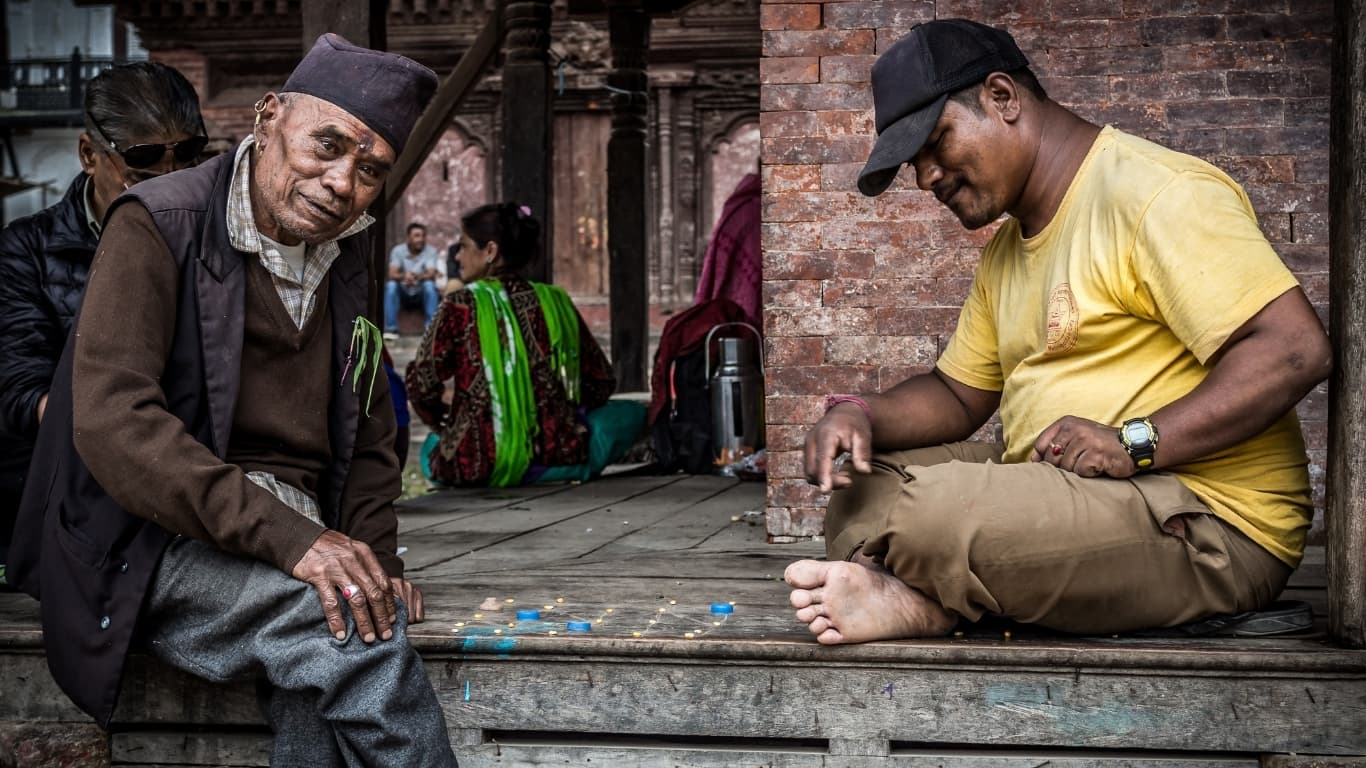
Why hierarchy matters in Nepal
This article about hierarchy in Nepal is part of our Nepal Beneath the Surface series. Discovering Nepal is about more than the places you visit. It is about understanding the culture, customs and values that shape daily life here. In this series we share insights that help you experience Nepal with greater understanding and respect.
You are trekking with a guide. At dinner you notice he sits apart, sometimes eating after you have already finished. You invite him to join you. He smiles, thanks you warmly, and stays where he is.
Later you watch him speak with the lodge owner. His posture changes. He chooses his words carefully, listens more than he speaks, and inclines his head slightly. That same lodge owner does something similar when the owner’s father walks in.
What you are watching is not awkwardness or submission. It is hierarchy. And in Nepal, hierarchy is not something working quietly in the background. It is visible, present in almost every interaction, and rooted in centuries of cultural logic.

Where it comes from
Nepal historically had a caste system comparable to India’s. Brahmins as priests and scholars held the highest status, followed by warriors, traders, labourers. At the bottom, Dalits, historically regarded as untouchable. The formal system was abolished in 1963, but its cultural traces remain, particularly in rural areas.
What has stayed is a deep-seated understanding that society has layers, and that respect flows from younger to older, from lower to higher. That principle did not disappear when the formal caste system was dismantled. It migrated to other carriers: age, education, profession, family name.
Hindu philosophy reinforces this through the concept of dharma, the duty that belongs to your position in life. A child has different responsibilities from a parent. A student different ones from a teacher. A younger person different ones from an elder. This is not inequality in the western sense. It is a system of mutual responsibility, where everyone’s role is clear and everyone knows what is expected of them.
How hierarchy shows up
The most visible marker of hierarchy in Nepal is age. Elders are automatically respected, without anyone making a conscious decision about it. Young people stand when an older person enters the room. At a meal, the oldest eat first or are served first. In conversation, the eldest speaks first, and the others listen.
Beyond age, social position matters. People with a university education, government officials, business owners and religious figures hold higher status. Labourers, porters and farmers sit lower in the hierarchy, even if their work is indispensable. That position is not determined by income alone. It is a combination of education, family name, profession and connections.
You see hierarchy in language too. Nepali has different registers of formality depending on the relationship between speakers. With elders or people of higher status you use formal forms. With peers you speak more casually. People do not think consciously about this. It simply happens, the way you might naturally switch to more formal language when addressing a stranger.
Then there are the physical expressions. People greet with hands pressed together at the chest and a slight bow. Younger people sometimes touch the feet of elders as a gesture of deep respect, asking for a blessing. People do not sit higher than someone older. Shoes come off before entering a home or temple. None of this is performed or theatrical. It is simply how things are done.

Why it works
Western visitors sometimes experience hierarchy as something that enforces inequality or keeps people small. That is an understandable reaction, but it misses an important element: hierarchy in Nepal is reciprocal.
People with a higher position do not simply receive more respect. They also carry more responsibility. An elder who is respected by younger people has a duty to guide them, protect them and make good decisions on their behalf. A guide who speaks formally with a lodge owner does so within a system where the lodge owner in turn takes care of his staff and guests. The flow is not one-directional.
That reciprocity reveals something else. Hierarchy in Nepal creates stability and clarity. Everyone knows their role. Everyone knows what is expected of them and what they can expect in return. That may sound constraining from a western perspective. But in practice it creates a social cohesion that many people experience as grounding and trustworthy.
Elders benefit from it materially too. In a culture where age commands respect, grandparents are not pushed to the margins of family life. They live with the family, take part in decisions, and their wisdom is genuinely sought. That is not sentiment. It is structurally built into how the system works.

How to navigate it as a traveller
You do not need to fully understand Nepali hierarchy to move through it respectfully. A few things go a long way.
Avoid being overly casual with people who are clearly older than you. Stand when someone older enters. Offer the best seat. Let them speak first. These are small gestures that carry real weight here.
Acknowledge earned expertise. Your guide knows more than you do about the mountain. The lodge owner knows his village. The older woman in the kitchen knows how Nepali food is made. Recognising that is not submissive. It is simply honest.
When you are offered something, the best seat, the first plate, the honoured position at the table, accept it. Repeatedly refusing is not modesty here. It suggests you are rejecting your host’s right to honour you, which feels rude. Accept gracefully and express genuine thanks.
And perhaps most importantly: do not assume that hierarchy is oppressive or that people want to be liberated from it. Western visitors who treat everyone identically regardless of age or position mean well. But it sometimes creates discomfort for people who are used to clear social structures. Being warm and friendly while also respecting the existing social order is entirely compatible.

What is changing
In cities, and especially among younger generations, hierarchy is shifting. Women speak more and are heard more. Mixed marriages are becoming more common. Education and personal merit count for more than birth. That is a real and visible change.
But even among young, urban Nepalis, respect for elders remains firmly in place. It may look different from fifty years ago. The core is the same.
The deeper logic
Western culture tends to see hierarchy as something to be corrected, a remnant of a less fair past. Nepali culture sees hierarchy as a structure that helps people live together, with clear roles, mutual care and a place for everyone.
Neither view is entirely right or entirely wrong. They are products of very different histories and circumstances.
What helps as a traveller is not to judge but to observe. To notice how people move with each other. To see when your guide changes his manner, when a younger person stands, when an elder takes the first word. And to understand that all those small gestures together express something: that relationships here have structure, and that structure is not the same thing as inequality.
Once you see it that way, a great deal falls into place.
Enthusiastic about Nepal?
Make your dream holiday a reality!
Nepal awaits you with its impressive mountains, vibrant culture and warm-hearted people. Whether you’re looking for a relaxing tour, an active trek or a tailor-made family holiday – we’d be delighted to help you get started.
📩 Get in touch with us and start planning today!
View our trips Request travel proposal